
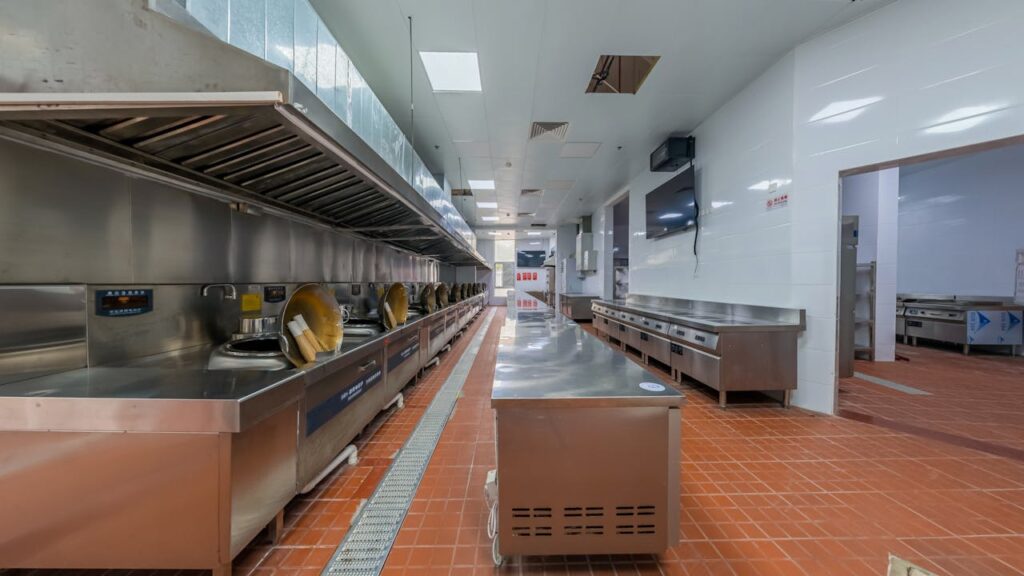
We get this question at least a dozen times a week from restaurant owners across Toledo. And honestly, it’s the right question to be asking — because the answer directly affects whether you stay open or get shut down by Lucas County health inspectors on your worst possible day.
Note: Specific code references, fine amounts, and inspection requirements in this article are provided for general guidance only. Regulations can change — always verify current requirements with the City of Toledo or a licensed compliance professional before making decisions for your business.
The short answer: most Toledo restaurants need their grease trap cleaned every one to three months. The longer answer depends on five factors that most guides skip entirely. We’ll walk through all of them.
What the Lucas County Health Department Actually Requires
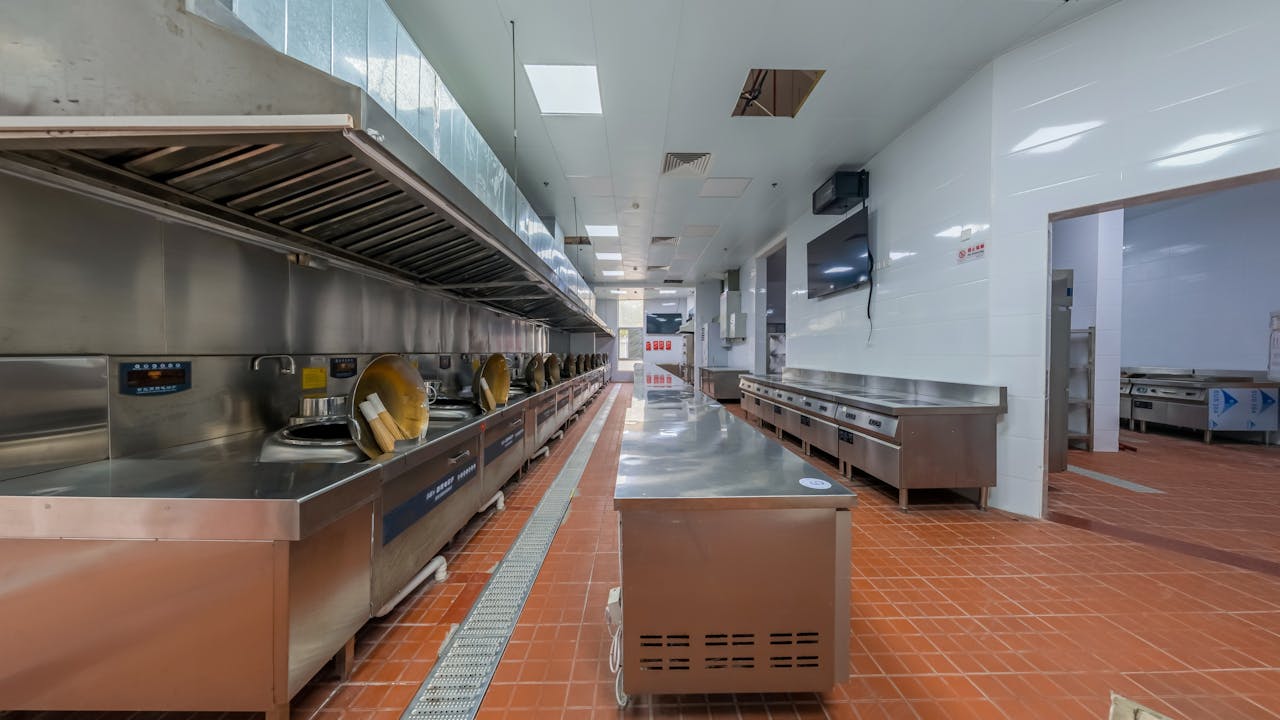
Under Toledo Municipal Code Chapter 923 and the Toledo FOG (Fats, Oils & Grease) Program, Toledo food service businesses are required to maintain grease traps in a way that prevents discharge of fats, oils, and grease into the Toledo sewer system. The practical standard used by Lucas County health inspectors is the “25% rule” — your trap must be cleaned before accumulated grease and solids reach 25% of the trap’s hydraulic capacity.
In plain language: when your trap is one-quarter full of grease, you’re legally required to service it. For most restaurants in Downtown Toledo and the surrounding area, that happens between 4 and 12 weeks depending on cooking volume.
The 5 Factors That Determine Your Actual Cleaning Schedule
1. Cooking Volume and Menu Type
A burger joint on Sylvania Avenue running two fryers during lunch and dinner service is going to fill a grease trap dramatically faster than a sandwich shop. High-fat cooking — fried foods, bacon, sausage, anything with rendered animal fat — pushes grease into your trap much faster than grilled or baked items. We’ve seen fryer-heavy operations in Downtown Toledo that needed monthly service regardless of trap size.
2. Trap Size vs. Actual Throughput
A 1,000-gallon trap in a quiet diner might only need quarterly service. That same 1,000-gallon trap in a hotel kitchen running banquet service could fill up in six weeks. The engineering spec on paper rarely matches the reality of your actual kitchen throughput. We measure capacity fill rate on every service visit and track it over time — that’s how we catch traps that are accelerating before they cause a backup.
3. Staff Pre-Treatment Habits
This one doesn’t make it into most guides, but it’s real: kitchens with staff trained to scrape plates, wipe pans, and avoid dumping fryer oil down the drain can extend trap intervals significantly. We’ve watched the same restaurant go from 8-week to 14-week intervals simply by adding a grease disposal container at the fryer station and training the closing crew. Small operational change, meaningful impact on compliance costs.
4. Seasonal Volume
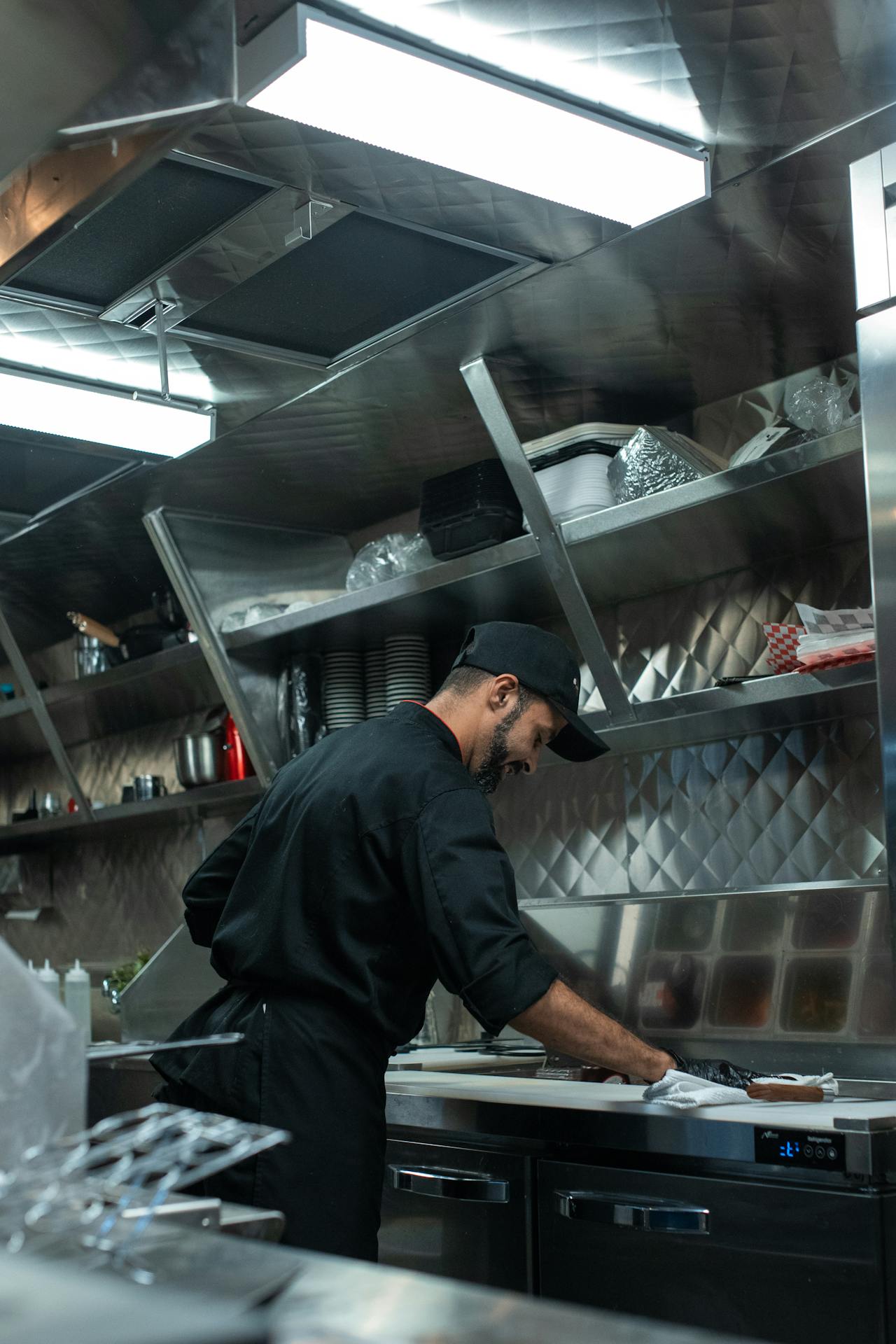
Toledo restaurants near the University of Toledo or the Warehouse District see dramatically different traffic between October and January compared to the summer months. More covers means more grease. If you’re only scheduling trap cleanings on a fixed calendar, you’re likely under-serviced during your busy season — which is exactly when an inspector is most likely to visit.
5. Age and Condition of the Trap
Older traps — especially those installed before 2005 in Lucas County — often have degraded baffles that allow grease to pass through rather than settle. If your trap seems to fill faster than it should, or if you’re seeing slow drains even right after a cleaning, a failing baffle is often the cause. We catch these on inspection and document them for the Lucas County Health Department if a repair or replacement is warranted.
What Happens When You Miss a Cleaning
We’ve seen the aftermath enough times to be direct about this. An overloaded grease trap doesn’t just smell bad — it backs up. Grease enters the Toledo sewer line. Toledo Waterways & Water Services monitors for FOG discharge, and when they detect it, they report it to the Lucas County Health Department. The sequence from there moves fast:
- Written notice of violation under Toledo Municipal Code Chapter 923
- Required re-inspection within 30 days
- Fines starting at $250 and escalating to $5,000 per incident
- Repeat violations: up to $10,000 per day
- In serious cases: mandatory closure until the system is brought into compliance
Beyond the regulatory consequences, a backed-up grease trap is an emergency situation. Sewage can push back into floor drains. You’re shutting down your kitchen mid-service, calling an emergency plumber at 2x normal rates, and explaining to your staff why they’re going home early. We’ve gotten calls from restaurants in this exact situation more times than we can count.
Our Recommendation: Track and Adjust, Don’t Just Schedule
The restaurants in Toledo that stay cleanest — and pass every inspection — aren’t the ones with the most aggressive cleaning schedule. They’re the ones that track fill rate over time and adjust service frequency based on actual data. When we service your trap, we log the percentage of capacity used and compare it to your last service. If you’re consistently hitting 15% after 60 days, you don’t need monthly service. If you’re hitting 22% after 45 days, you need to tighten the interval.
Every service includes a waste manifest documenting the waste volume removed, which is the exact paperwork Lucas County health inspectors look for during an inspection. No paperwork means no proof of compliance, even if the trap was actually cleaned.
Frequently Asked Questions
When your schedule calls for service, Toledo Grease Trap offers professional grease trap cleaning in Toledo, OH and grease trap pumping for restaurants of all sizes. Call (419) 318-6433 to book.
Toledo enforces the 25% rule under Toledo Municipal Code Chapter 923 — your trap must be serviced before solids and grease reach 25% of hydraulic capacity. For most restaurants, this translates to every 4–12 weeks depending on cooking volume and trap size.
You need a waste manifest from your service provider documenting the volume removed and proper disposal. Lucas County health inspectors specifically request this paperwork during FOG inspections. We provide a complete manifest on every service call.
Technically yes, but the waste is regulated under Ohio EPA guidelines and must be disposed of at an approved facility. Most restaurant operators find it far more cost-effective and safer from a compliance standpoint to use a licensed service provider who handles documentation and disposal.
Fines under Toledo Municipal Code Chapter 923 start at $250 and can reach $5,000 per incident. Repeat or ongoing violations can escalate to $10,000 per day. Severe violations can result in mandatory closure until compliance is restored.
Trap sizing is determined by the number of fixtures (sinks, floor drains, dishwashers) discharging into it, not just seating capacity. The Lucas County Health Department uses flow rate calculations from the International Plumbing Code. If your trap fills faster than expected, it may be undersized for your current operation — we can assess this during a service visit.
Related Articles
- Toledo FOG Program Explained for Restaurant Owners
- Ohio EPA Grease Trap Compliance Guide for Toledo
- 5 Warning Signs Your Grease Trap Needs Emergency Service
We Service the Entire Toledo Area
We cover Maumee, Perrysburg, Sylvania, Oregon, Bowling Green, Findlay and the greater Toledo, OH area.