
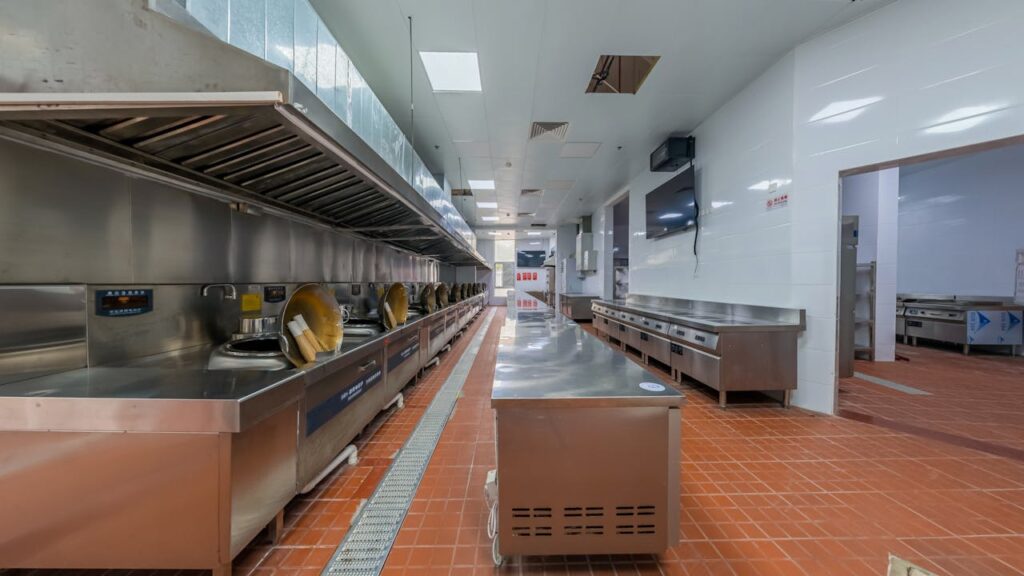
Ask ten Toledo restaurant owners whether they have a grease trap or a grease interceptor and most of them will say “I think a grease trap?” followed by a long pause. It’s one of the most common confusions we encounter in this industry — and it matters, because the service requirements, service frequency, and compliance documentation are different for each.
Here’s a clear explanation of both, how to identify which one your Toledo restaurant has, and what the difference means for your FOG compliance obligations.
Grease Trap: What It Is and Who Has One
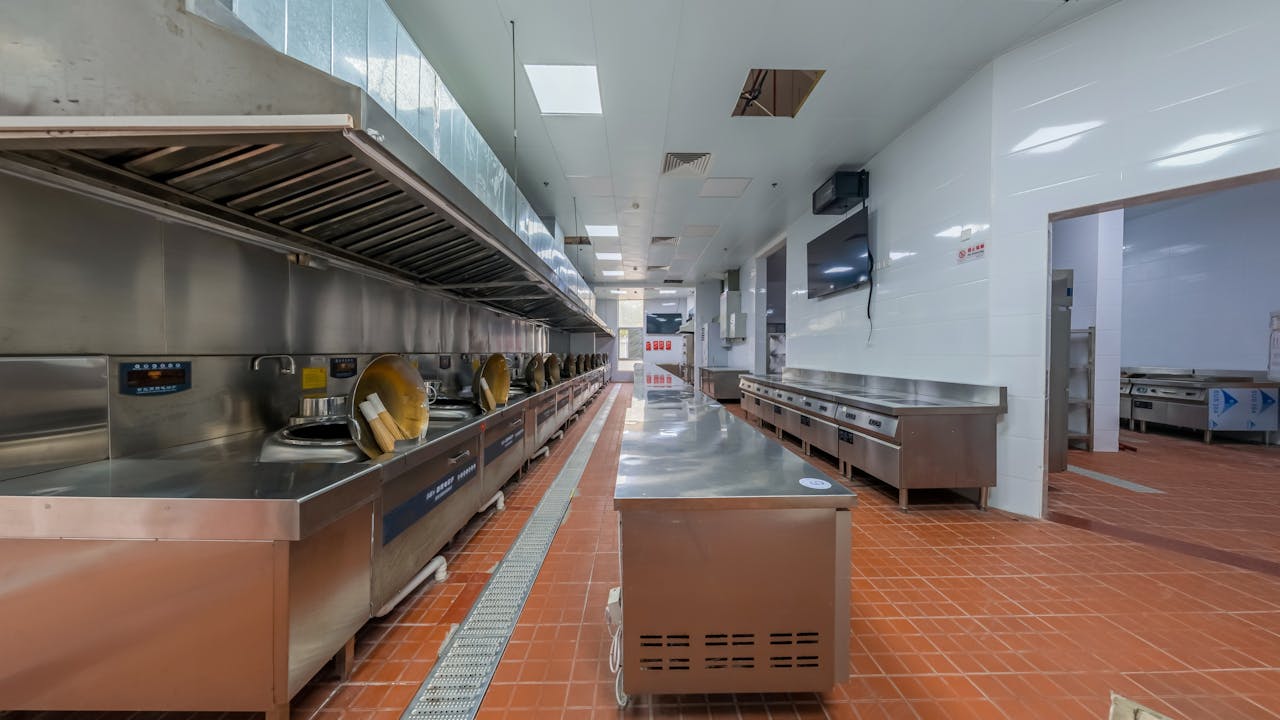
A grease trap (sometimes called a grease interceptor — the terms are used loosely) in the context we’re describing here refers to a small, indoor unit installed directly under or near a single sink or a small group of fixtures. They typically hold between 25 and 100 gallons of wastewater and work by slowing flow long enough for grease to float and solids to settle.
You’ll find these in:
- Small cafés and coffee shops
- Food carts and kiosks
- Bars with limited food service
- Single-sink installations in small prep areas
- Some older installations in Downtown Toledo buildings where an outdoor interceptor wasn’t feasible
Grease traps are cleaned manually — the access lid is opened, accumulated grease and solids are removed, and the trap is rinsed. Service frequency for small units under heavy use can be as often as weekly.
Grease Interceptor: What It Is and Who Has One
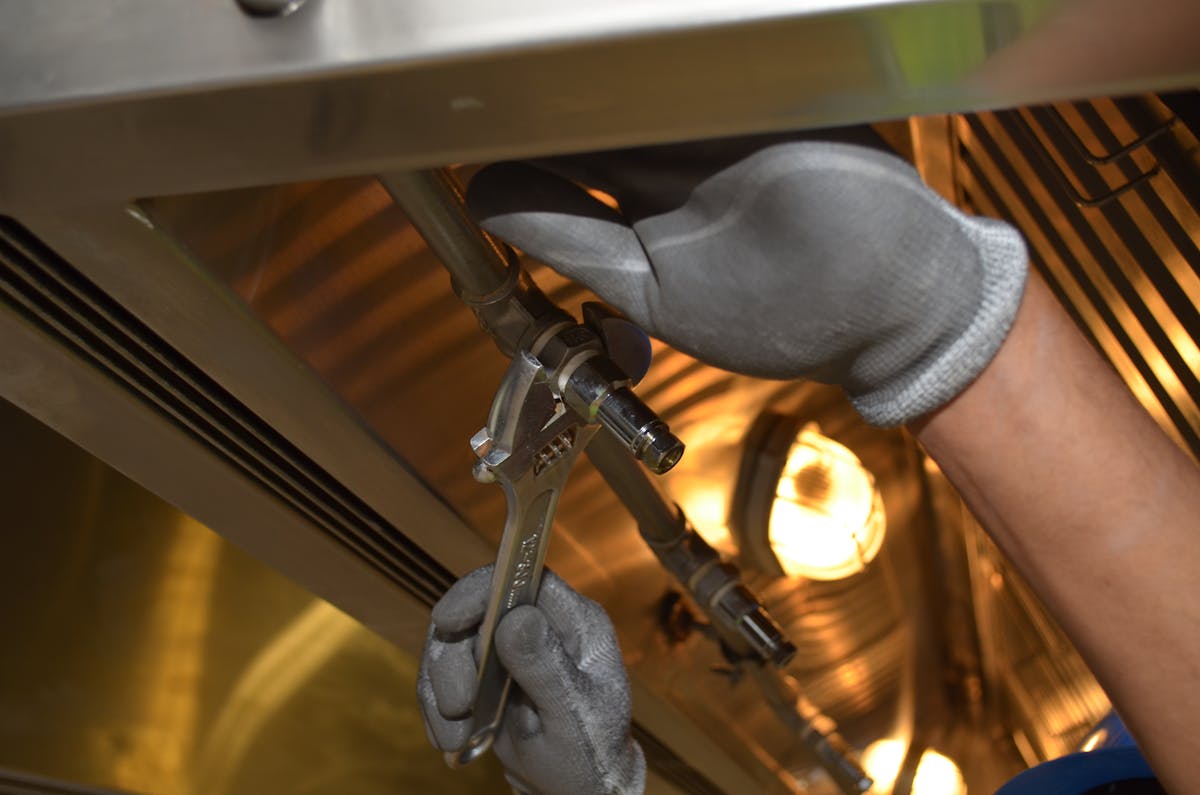
A grease interceptor is a large, in-ground tank — typically installed outside the building, underground, accessible by a manhole-style lid. They range in size from 500 gallons to several thousand gallons and serve the entire kitchen plumbing system, not just one fixture.
Most full-service restaurants in Toledo, including those in the Warehouse District, along Sylvania Avenue, and throughout the suburban dining strips in Maumee and Perrysburg, will have an outdoor grease interceptor. If your restaurant was built after 1990 and serves more than a handful of covers, there’s almost certainly an interceptor outside.
Interceptors are serviced with a vacuum truck — the waste is pumped out, the interior walls and baffles are inspected, and a waste manifest is issued documenting proper disposal. Under the Toledo FOG (Fats, Oils & Grease) Program, interceptor service records must be maintained for 3 years.
How to Tell Which One You Have
The quickest way: go look. An indoor grease trap will be a box or cylindrical unit directly below or adjacent to a sink, typically with a metal lid and sometimes visible through an access panel under the counter. An outdoor grease interceptor will be a covered vault or manhole typically located in the parking area, alley, or along the building’s rear perimeter.
If you genuinely can’t find it, your plumbing permit or the original as-built drawings from when the building was constructed will show the location. Alternatively, we can locate it during a service call — this is something we do routinely for new restaurant owners who took over a space and weren’t told about the grease system.
Why the Difference Matters for Compliance
The Lucas County Health Department and Toledo Waterways & Water Services distinguish between the two systems when auditing FOG compliance. The service documentation requirements are the same (waste manifest, proper disposal), but the service interval and method are different. An outdoor interceptor being cleaned on a grease-trap-style monthly schedule is often being over-serviced unnecessarily. A grease trap in a high-volume kitchen being cleaned quarterly is almost certainly being under-serviced.
Getting this wrong in either direction costs money — either through unnecessary service calls or through compliance violations. We size service frequency based on fill rate measurement, not a one-size-fits-all calendar.
Frequently Asked Questions
Whether you have an under-sink trap or a large outdoor interceptor, we handle both. See our grease trap cleaning and grease interceptor cleaning services — or call (419) 318-6433 for a free site assessment.
No. The type required depends on your kitchen’s fixture count and flow rate. Most full-service restaurants require a single outdoor grease interceptor that handles all kitchen drainage. Smaller operations may qualify for an indoor grease trap. The Lucas County Health Department and Toledo’s Division of Building Inspection determine the required type during permitting.
Yes, and it’s sometimes required if your business expands — more seats, more fixtures, or higher cooking volume can push you past the threshold for an indoor trap. The conversion requires a plumbing permit from Toledo’s Division of Building Inspection and must meet current IPC sizing requirements.
Interceptor sizing is calculated based on fixture units (the number and type of fixtures discharging into the system) per the International Plumbing Code. A 50-seat restaurant with a full commercial kitchen typically requires a 1,000–1,500 gallon interceptor, though actual sizing depends on your specific fixture inventory.
Outdoor grease interceptors in full-service Toledo restaurants typically need service every 4–8 weeks. Indoor grease traps in high-use applications may need weekly to monthly service. The correct interval is determined by fill rate, not a fixed calendar.
Related Articles
- How Often Should Toledo Restaurants Clean Their Grease Trap?
- Toledo FOG Program Explained
- 5 Warning Signs Your Grease Trap Needs Emergency Service
We Service the Entire Toledo Area
We cover Maumee, Perrysburg, Sylvania, Findlay and the greater Toledo, OH area.